生検針のゲージと生検後の血腫との相関関係-
Jul 18, 2026
https://www.mayoclinic.org/tests-procedures/breast-biopsy/about/pac-20384812
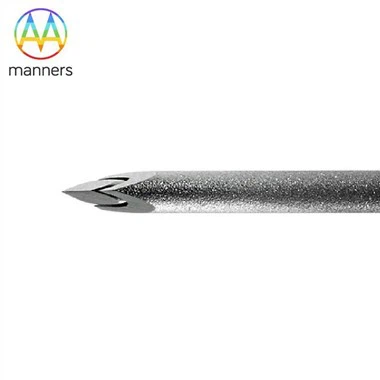
生検針直径は「ゲージ」(G) で表されます。数値が小さいほど直径が大きくなります。臨床ゲージの範囲は 14G から 20G で、14G は主に VAB で使用され、18G~20G は穿刺吸引細胞診 (FNAC) で使用されます。{6}針の直径はサンプル量を決定し、血腫の発生率と重症度と大きく相関するため、病変の特徴と患者の要因に基づいて選択する必要があります。
Large-core biopsies (14G–16G) are indispensable for pathological diagnosis due to adequate tissue yield but pose higher risks of vascular injury. Data show 14G needles incur hematoma rates of 12%–18%, significantly exceeding the 3%–5% observed with 20G fine needles. Larger-diameter tracts facilitate blood extravasation if vessels >1 mm are lacerated. In highly vascular regions like the upper outer quadrant, severed vessels often fail to achieve hemostasis via compression alone, potentially forming hematomas >2cm。特に、統合された VAB テクノロジーにより、陰圧吸引により局所出血を迅速に除去できるようになり、14G 針を使用した場合でも臨床的に触知できる血腫率が 8% 未満に減少します。
FNAC (18G~20G) は侵襲性が低いですが、リスクがないわけではありません。-石灰化病変の場合、切断力が不十分なため、繰り返し針を通す必要があり、「のこぎりのような」血管損傷が増加する可能性があります。{4}}さらに、狭い内腔は不適切な吸引下で赤血球が溶解する危険性があり、典型的な血腫ではなく斑状出血を引き起こします。臨床統計によれば、嚢胞性固形腫瘤の超音波ガイド下 20G 生検中、遅発性血腫の発生率が 4.7% であることが明らかになりました。これは、嚢胞液排出後の急激な圧力低下に伴う血管透過性の変化に起因すると考えられます。{8}
ゲージ選択の中心原則は「最小有効直径」です。明白な微小病変には 18G ~ 20G の針が推奨されます (<1 cm) to ensure precise targeting; 14G needles provide superior histologic architecture for suspected invasive carcinoma; and 17G needles balance diagnostic quality and safety in MRI-guided biopsies due to high imaging resolution. Operators should employ coaxial techniques-exchanging stylets within a single tract-to minimize repeated vascular trauma. Future innovations, such as variable-diameter biopsy needles that auto-adjust based on tissue stiffness, hold promise for further reducing hematoma complications.